3 December 2025,
Wednesday

3 December 2025,
Wednesday

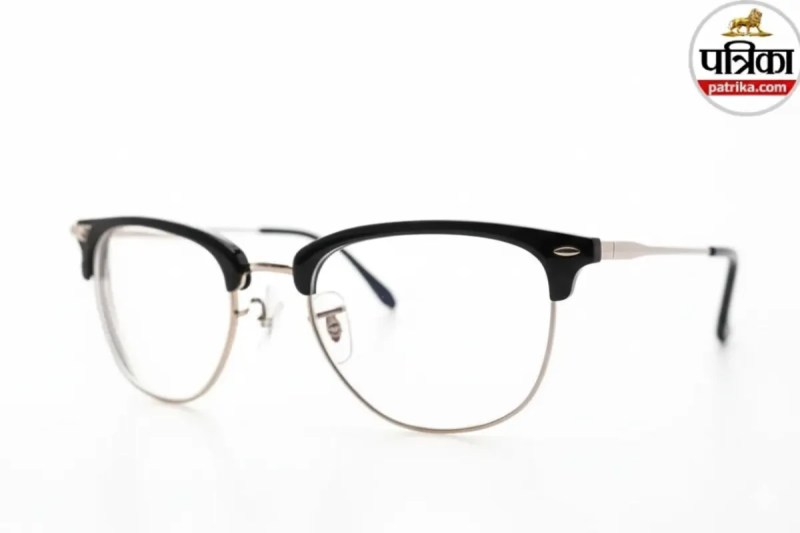
Myopia Control Glasses for Kids (Photo- freepik)
Myopia Control Glasses for Kids: Most children will need to wear glasses at some point in their lives. Wearing glasses for the first time is a big deal for many children. But what if these glasses could also help prevent their eyesight from deteriorating? This is now possible. In September, the US FDA approved a new eyeglass technology that can significantly slow down the progression of myopia (difficulty seeing distant objects clearly, while near objects appear clear) in children. These lenses were already in use in Europe, Asia, and several other countries, and are now available in the US.
Myopia, or nearsightedness, is the inability to see distant objects clearly. It is rapidly increasing among children nowadays. The reasons are clear: excessive screen time on mobiles, tablets, and TVs, spending long hours indoors, and a lack of outdoor activities. In the US alone, 30 to 40% of children are affected by myopia by the time they reach high school. Research suggests that this problem will worsen in the coming years, especially among urban children.
These new glasses are called Essilor Stellest lenses. The FDA has specifically approved them for children aged 6 to 12 years. According to the company, wearing them for up to 2 years slowed the progression of myopia in children by up to 70%. The elongation of the eyeball was prevented.
The lenses have 11 rings inside, each containing small dots. These dots redirect light in a way that slows down the process of eyeball elongation. In simple terms, these glasses not only correct vision but also reduce the rate at which the prescription increases.
Until now, doctors have advised, "You will have to wear glasses, and the prescription will increase gradually; this is the treatment." The FDA had previously approved only one method to prevent myopia: MiSight Contact Lenses (for children aged 8-12). However, applying contact lenses can be difficult for parents of younger children. Therefore, doctors are saying that the new Stellest glasses are more practical and safer. Some doctors also prescribe low-dose atropine drops, but these are not FDA-approved.
Children aged 6 to 12 years can wear these glasses. This includes children with weak distance vision, whose myopia is increasing annually, and those with a family history of myopia. The side effects observed have been very mild, with some children experiencing slight "halos," which is considered normal.
According to the company, the cost is approximately $450 (which could be around ₹20,000-₹25,000 when launched in the Indian market). In the US, most vision insurance plans cover these lenses.
If myopia progresses significantly, it increases the risk of retinal tears, glaucoma, cataracts, and retinal detachment (even the risk of blindness) later in life. The new lenses can help significantly reduce these risks. If you are a parent and your child spends a lot of time on mobile phones or screens, or already wears glasses, this new technology can help protect their eyes from serious damage in the future.
Big News
View AllHealth
Trending
Lifestyle